Best Sleeping Position: Back, Side or Stomach? (2026 Guide)
By Candid Wellness Reviews Editorial · November 2, 2026
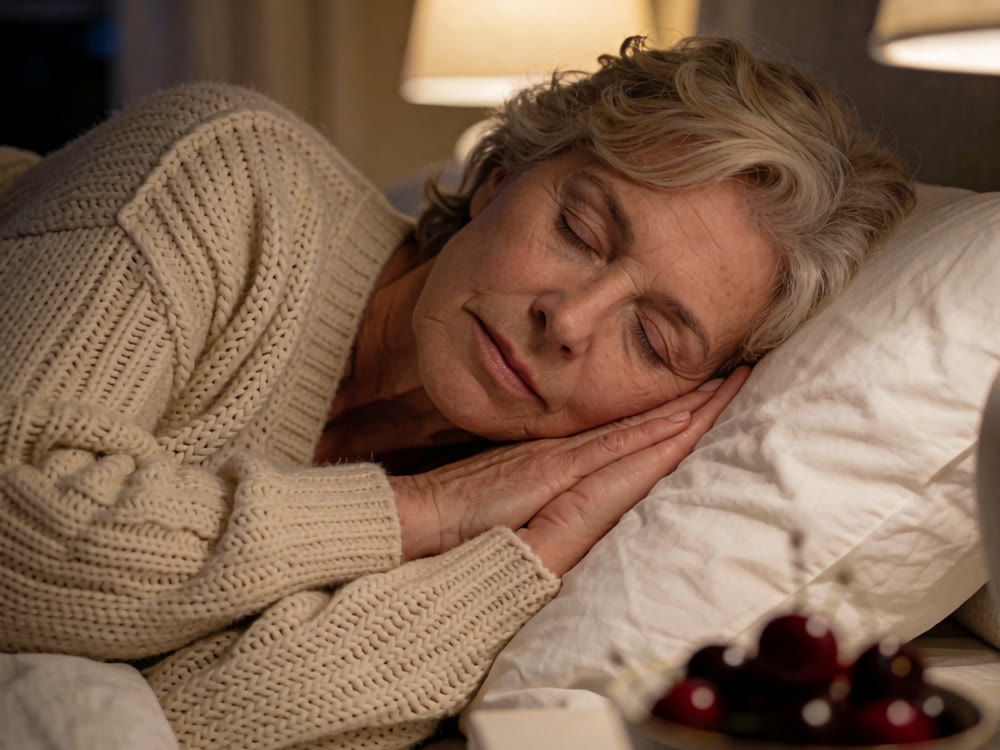
There is no single best sleeping position for everyone. Cleveland Clinic says the ideal position depends on your needs, and that if you wake up comfortable and rested there is probably no reason to change. Back and side sleeping are the two positions Harvard Health calls easiest on the neck, while side sleeping may suit people who snore or have sleep apnea, and the left side or a raised head of the bed may suit people with nighttime heartburn. Most sources say stomach sleeping is the hardest on the neck and back.
This article is for general information and is not medical advice. If pain, snoring or poor sleep keeps bothering you, talk to your doctor.
If you have ever woken up with a stiff neck or a sore hip, you have probably wondered: what is the best sleeping position? The honest answer is that there is no single winner. Cleveland Clinic says "the ideal sleeping position is going to vary based on an individual's needs," and that if you wake up refreshed and comfortable, there is probably no reason to change. Still, some positions may suit certain problems better than others. Here is what reputable health sources say.
What is proper sleep posture?
Proper sleep posture, or the proper sleep position, mostly means keeping your spine in a neutral line. Cleveland Clinic, citing a chiropractor, explains that aligning your head, shoulders and hips "puts your body in a neutral posture that eases stress," and that your goal is a position that "maintains and supports the natural curves in your back and neck." A physical therapist quoted by Harvard Health puts it simply: "Try to get the spine in a relatively straight position."
Your pillow is part of that picture. The same physical therapist notes that "a pillow that's too soft or too firm often leads to neck pain." So the proper position of sleeping is less about one perfect pose and more about keeping your neck and back supported in whatever sleeping position you choose.
Is sleeping on your back good for you?
For many people, yes. Cleveland Clinic says back sleeping is "often the most comfortable position for people with neck and back pain" and can help lower the strain on your spine. Harvard Health names back and side sleeping as the two positions "easiest on the neck."
Tips from sources: A Cleveland Clinic chiropractor suggests slipping a small pillow under your knees, because flat legs can make your lower back arch too much. For your neck, Harvard Health suggests a rounded pillow to support the natural curve of your neck, with a flatter pillow cushioning your head.
Who it may not suit: people who snore or have sleep apnea. A Cleveland Clinic sleep specialist explains that on your back, "your tongue flops backward and can further compromise the upper airway." Back sleeping is also not advised later in pregnancy (more on that below).
Is side sleeping the best position for sleeping?
It is a good fit for many people. Cleveland Clinic says side sleeping "can be comfortable in many cases," and that for some people with sleep apnea, rolling to the side may lessen how severe it is. The National Heart, Lung, and Blood Institute (NHLBI) says a provider may recommend side sleeping because it "can help keep your airway open."
Tips from sources: Harvard Health says side sleepers can keep the spine straight with a pillow that is higher under the neck than under the head, and that side sleepers generally need a firm pillow. A Cleveland Clinic chiropractor suggests a pillow between your legs to keep your upper leg from pulling forward and twisting your torso, and recommends looking forward rather than tucking in your chin.
Left side or right side?
Cleveland Clinic says that "most of the time, either side you choose for sleeping is fine." The main exception in our sources is nighttime heartburn, covered below.
Is sleeping on your stomach bad?
For most people, it is the hardest position on the body. Cleveland Clinic says stomach sleeping "isn't going to be the best sleep position for most people" and links it to back, neck and shoulder pain. Harvard Health says it is "tough on your spine, because the back is arched and your neck is turned to the side," and that a firm pillow pushes the head back even farther, so stomach sleepers may want a thinner, softer pillow.
That said, Cleveland Clinic also says that if stomach sleeping is your habit and "it's not causing you any discomfort," it is likely OK.
Which sleeping position may suit your situation?
| Position | May help with | May not suit | Source |
|---|---|---|---|
| Back (small pillow under knees) | Neck and back comfort for many people | Snoring and sleep apnea; pregnancy after 28 weeks | Cleveland Clinic, NHS |
| Side (pillow between knees) | Snoring and sleep apnea; neck comfort; pregnancy | A sore shoulder on the side you lie on | NHLBI, Harvard Health, Cleveland Clinic, NHS |
| Left side | Nighttime heartburn and reflux | No specific downsides in our sources | Am J Gastroenterol, 2022 |
| Right side | No specific benefit in our sources; either side is usually fine | Nighttime heartburn and reflux | Cleveland Clinic, ACG guideline, 2022 |
| Stomach | Likely OK if it causes you no discomfort | Neck, back and shoulder pain | Cleveland Clinic, Harvard Health |
| Head of bed raised | Nighttime heartburn; congestion | No specific downsides in our sources | ACG guideline, 2022, Cleveland Clinic |
What is the best sleeping position for snoring and sleep apnea?
Sources point to the side. Beyond the NHLBI advice above, a 2019 Cochrane review of 8 studies (323 people) looked at "positional therapy," meaning pillows, belts or alarms that keep people off their backs, in people with obstructive sleep apnea. Compared with no or sham positional therapy, it improved daytime sleepiness scores and breathing pauses. But CPAP, the breathing machine, lowered breathing pauses more, and the evidence was low to moderate certainty.
The National Institute on Aging (NIA) notes that "snoring can be a sign, but not everyone who snores has sleep apnea." A change of position is not a substitute for a check-up.
What is the best sleeping position for acid reflux and heartburn?
The American College of Gastroenterology's 2022 guideline suggests elevating the head of the bed for nighttime reflux symptoms and avoiding meals within 2 to 3 hours of bedtime. Both are conditional suggestions based on low-level evidence. The NIDDK describes using "a foam wedge or extra pillows under your head and upper back" to raise your head off the bed 6 to 8 inches.
Which side you lie on may matter too. In a 2022 study of 57 patients, acid exposure in the esophagus was shorter on the left side than on the right side or the back, and acid cleared faster on the left. In a 2022 trial of 100 patients, a wearable device that buzzed when people rolled onto their right side cut nighttime reflux scores by half or more in 44% of participants, versus 24% with a sham device. Both studies came from the same research group in Amsterdam. Devices from Side Sleep Technologies were used in both, and the senior author has reported previously owning shares in that company.
What is the best sleeping position for lower back pain?
Experts quoted by Cleveland Clinic (a sleep medicine doctor and a chiropractor) suggest a small pillow under your knees if you sleep on your back, or a pillow between your legs if you sleep on your side. Research is thin: a 2019 scoping review in BMJ Open found that side lying was "generally protective" against spinal symptoms, but it found only four studies and said there were not enough high-quality studies to answer the question.
About mattresses: a 2015 systematic review of 24 studies concluded that a medium-firm, custom-inflated (self-adjusted) mattress was best for sleep comfort, quality and spinal alignment. A Cleveland Clinic physiatrist recommends a firm mattress for back, hip and knee pain, with a foam pad on top if needed. Sources differ, so what feels supportive to you matters.
What is the best sleeping position for neck pain?
Harvard Health says side and back sleeping are easiest on the neck. Its tips: a feather pillow shapes easily to your neck but should be replaced every year or so, a memory-foam pillow can follow the contour of your head and neck, and a pillow that is too high or stiff keeps the neck bent all night.
What about sleeping position in pregnancy?
The NHS says research suggests that going to sleep on your back after 28 weeks of pregnancy can increase the risk of stillbirth, and that "the safest position to fall asleep in is on your side, either left or right." If you wake up on your back, just turn onto your side before going back to sleep.
What is the best sleeping position for older adults?
NIA explains that as we age, "sleep tends to be shorter and lighter, and you may wake up more often during the night." There is no special position just for people over 60, but sources offer tips that matter more with age:
- Sore shoulder: Cleveland Clinic physiatrist Geraldine Dapul, MD, suggests starting on your side, avoiding the sore shoulder, with a pillow between your legs.
- Sore hips or knees: Dr. Dapul recommends a firm mattress, with a foam pad on top if needed to spread your weight evenly.
- Nighttime heartburn: NIA also suggests avoiding large meals within two to three hours of bedtime. A wedge or raised head of the bed may help, as covered above.
- Getting up at night: NIA's falls guidance says to stand up slowly, because getting up too quickly can make your blood pressure drop and leave you feeling wobbly. It also suggests getting your blood pressure checked lying down and standing.
- A safer bedroom: NIA suggests a lamp that is easy to reach and turn on, a nightlight in the hallway or bathroom, a flashlight and phone by the bed, and removing rugs and cords you could trip over. If bathroom trips worry you, our walk-in shower vs. walk-in tub guide covers bathroom safety features.
If position changes do not help you sleep, NIA says to talk with your doctor before starting medicines or supplements for sleep. For background, see our guide to over-the-counter sleep aids and what research says about melatonin after 60.
How can you change your sleeping position?
Be patient. Harvard Health notes that "preferred sleeping positions are often set early in life and can be tough to change," and suggests starting the night on your back or side in a well-supported position. Cleveland Clinic suggests using a few pillows to prop yourself comfortably in a new position, and adds: "If it's not comfortable for you, don't force it, unless a healthcare provider has advised you to sleep in a certain way."
When should you see a doctor?
NHLBI lists these signs of sleep apnea: breathing that starts and stops, frequent loud snoring, and gasping for air during sleep, plus daytime sleepiness, dry mouth, headaches and waking often at night to urinate. You may not know you have these symptoms until someone tells you, and a sleep study may be needed to find out. Also talk to your doctor if heartburn or pain keeps waking you up, or if you often feel dizzy getting out of bed.
The bottom line
The best sleeping position is the one that keeps your spine neutral and lets you wake up rested, usually the back or side with the right pillows. Sources suggest the side for snoring, the left side or a raised bed for nighttime heartburn, and the side in later pregnancy. If you are over 60, get up slowly, light your path, and talk to your doctor about loud snoring, pain or poor sleep.
Frequently Asked Questions
What is proper sleep posture?
Proper sleep posture usually means a neutral spine. Cleveland Clinic, citing a chiropractor, explains that aligning your head, shoulders and hips puts your body in a neutral posture, and that the goal is a position that supports the natural curves of your back and neck. A physical therapist quoted by Harvard Health says to try to keep the spine in a relatively straight position and notes that a pillow that is too soft or too firm often leads to neck pain.
What is the best sleeping position for older adults?
There is no special position just for older adults; the same neutral-spine idea applies. Sources do offer useful tips: if a shoulder is sore, a Cleveland Clinic physiatrist suggests sleeping on your side, avoiding the sore shoulder, with a pillow between your legs. If you have nighttime heartburn, raising the head of the bed may help. And when you get up at night, NIA suggests standing up slowly, keeping a lamp within easy reach and using a nightlight in the hallway or bathroom. Talk to your doctor if pain or poor sleep keeps bothering you.
Is it better to sleep on your left side or right side?
Cleveland Clinic says that most of the time either side is fine. The main exception in our sources is nighttime reflux: a 2022 study of 57 patients found less acid exposure in the esophagus when people lay on their left side than on their right side or back, and the American College of Gastroenterology's 2022 guideline notes that lying right side down increases nighttime reflux compared with the left.
What is the best sleeping position for snoring?
Sources point to side sleeping. Cleveland Clinic explains that on your back the tongue can fall backward and narrow the airway, and NHLBI says a provider may suggest side sleeping for sleep apnea because it can help keep the airway open. NIA notes that snoring can be a sign of sleep apnea, but not everyone who snores has it, so talk to your doctor if you snore loudly.
Is sleeping on your stomach bad for you?
It is not the best choice for most people, according to Cleveland Clinic, which links it to back, neck and shoulder pain. Harvard Health says it is tough on your spine because the back is arched and the neck is turned to the side. Cleveland Clinic also says that if stomach sleeping causes you no discomfort, it is likely OK.
What is the best sleeping position for lower back pain?
Experts quoted by Cleveland Clinic (a sleep medicine doctor and a chiropractor) suggest a small pillow under your knees if you sleep on your back, or a pillow between your legs if you sleep on your side. A 2019 scoping review in BMJ Open found side lying was generally linked to fewer spinal symptoms, but it found only four studies and said there were not enough high-quality studies to answer the question.
How do I train myself to sleep in a different position?
Harvard Health notes that sleep positions are often set early in life and can be hard to change, and suggests starting the night on your back or side in a well-supported position. Cleveland Clinic suggests propping yourself with a few pillows to get comfortable in a new position, and says not to force a position that is uncomfortable unless a healthcare provider has advised it.