Walk-In Shower vs. Walk-In Tub for Seniors: Costs, Safety, Fit
By Candid Wellness Reviews Editorial · November 2, 2026
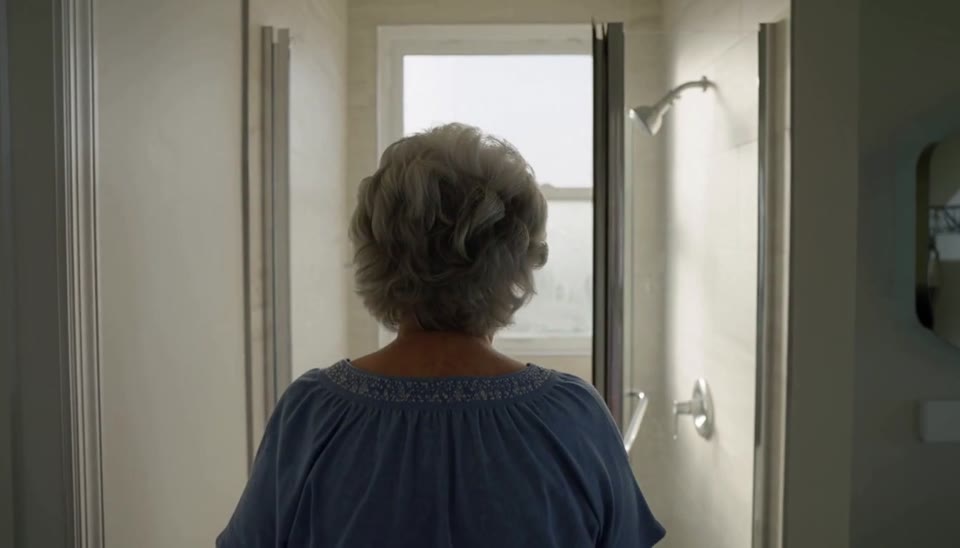
For most older adults, a low-threshold or curbless walk-in shower with grab bars, a seat and a handheld showerhead is the more flexible choice: a prefab stall can cost less, you can step or roll in, and there is no waiting for water to fill or drain. A walk-in tub fits people who truly want a seated soak and can move from a standing or wheelchair position onto a tub seat. If a wheelchair or a caregiver is part of the picture, the shower usually works better.
This article is for general information. Some links go to a quote service that pays us when you request quotes, at no cost to you. Costs and program rules come from the sources linked and can change.
If stepping over the side of a bathtub has started to feel tricky, you are not alone, and you have good options. The two most common upgrades are a walk-in shower and a walk-in tub. Both can make it easier to get in and out of the bath. They work very differently, though, and they cost different amounts. Here is a plain-English comparison to help you pick the one that fits your body, your home and your budget.
Why does the bathroom matter so much for falls?
Falls are common as we age. The CDC reports that over 14 million adults 65 and older, about 1 in 4, report falling every year, and that falls are the leading cause of injury in that age group (page updated September 4, 2026).
Bathrooms get special attention because floors and tub surfaces get wet. A CDC study of bathroom injuries estimated that 234,094 people age 15 and older were seen in U.S. emergency departments for nonfatal bathroom injuries in 2008. Falls caused 81.1% of them, injury rates went up with age, and about two-thirds happened in the tub or shower.
The good news is that simple changes help. The CDC's STEADI home safety checklist suggests a non-slip mat or self-stick strips on the tub or shower floor, and grab bars inside and next to the tub and next to the toilet. The National Institute on Aging's room-by-room guide gives similar advice and adds leaving a light on in the bathroom at night or using a night light.
What is a walk-in tub?
A walk-in tub has a watertight door in the side, a low step-in threshold and a built-in seat. HomeGuide describes it as a tub with a low step threshold, a door and a seat, often with jets. Many models offer extras like air or water jets (often called hydrotherapy), a heated backrest or a handheld showerhead.
The trade-off is time. You step in and close the door before the water goes in, and you stay seated until it drains. HomeGuide (August 27, 2025) says walk-in tubs take 6 to 15 minutes to fill, or about 3 minutes with a quick-fill faucet, and 5 to 10 minutes to drain, or about 2 minutes with a speed drain.
What is a walk-in, curbless or low-threshold shower?
A walk-in shower is a stand-alone shower with no tub to climb over. It usually has a low curb, a partial wall or a glass panel, and room for a seat. There are three common versions:
- Low-threshold shower: a short lip you step over. Angi notes most prefab showers come with a 7-inch curb.
- Curbless (zero-threshold) shower: the shower floor is level with the bathroom floor. Angi says this needs a custom build and a custom shower pan priced around $2,500.
- Roll-in shower: a curbless shower big enough for a shower wheelchair. The ADA design standards (written for public buildings, but a helpful home reference) call for at least 30 by 60 inches inside and a threshold no higher than ½ inch.
How do they compare side by side?
| Walk-in shower | Walk-in tub | |
|---|---|---|
| Typical installed cost | $6,000 to $12,000, average $9,000 (Angi, updated Oct. 30, 2026). Prefab stall kits: $1,000 to $8,000 installed (HomeGuide, Sept. 2023) | $3,500 to $10,000, average $6,000 (Fixr, updated Jan. 28, 2026). $4,000 to $18,000 for standard tubs (HomeGuide, Aug. 2025) |
| Install time | Tub-to-shower conversion: usually 1 to 3 days (Angi) | 1 to 2 days (HomeGuide) |
| Getting in and out | Step over a low curb, or no curb at all if curbless | Step over a low threshold through a door, then sit |
| Wheelchair-friendly | Yes, if built as a curbless roll-in shower | Usually means moving from the wheelchair onto the tub seat; wider-entry models exist |
| Time to bathe | No waiting; water starts right away | Add fill time (6 to 15 min) and drain time (5 to 10 min) per HomeGuide |
| Water use | Standard showerheads use 2.5 gallons per minute; WaterSense models use 2.0 or less (EPA) | Large capacity may need a bigger water heater (HomeGuide) |
| Best for | Wheelchair or walker users, people who bathe with a caregiver's help | People who love a seated soak and can transfer onto a seat |
Costs vary a lot by region, by the condition of your plumbing and by the features you choose. This Old House (updated June 12, 2026), for example, puts a standard walk-in tub at about $4,600 installed on average, with a range of $1,800 to $20,000 or more. Use every number here as a starting point for your own quotes.
What are the pros and cons of each?
Walk-in shower
- Pros: no fill or drain wait; works with a shower chair or wheelchair when curbless; leaves room for a caregiver to stand beside you.
- Cons: no deep soak; curbless designs cost more because the floor has to slope to the drain; glass panels need regular cleaning (Angi).
Walk-in tub
- Pros: a deep, seated soak; a built-in seat and low step; many models include built-in handrails and an anti-slip floor (Fixr).
- Cons: you sit and wait while the tub fills and drains, which can feel chilly; a door that is not latched properly can leak (HomeGuide); a caregiver has less room to help; higher water and heating use.
Which safety features should you look for?
- Grab bars: real bars anchored to the wall, never towel racks. MedlinePlus notes towel racks can't support your weight. As a reference, ADA standards place grab bars 33 to 36 inches above the floor, 1¼ to 2 inches thick, built to hold 250 pounds of force.
- Non-slip floor: textured tile, a non-slip mat or self-stick strips (CDC STEADI).
- Handheld showerhead: ADA standards call for a hose at least 59 inches long that works fixed or in your hand, which helps when you sit.
- A seat or bench: MedlinePlus suggests sitting on a bath chair or bench to shower.
- Anti-scald protection: a single-lever faucet that mixes hot and cold water, and a water heater set no higher than 120°F (MedlinePlus). Fixr lists anti-scald faucets at $100 to $350 for walk-in tubs.
- Good lighting: a light left on in the bathroom at night, and a night light on the path from your bed to the bathroom (NIA, CDC STEADI).
Not sure what you need? MedlinePlus suggests asking your health care provider for a referral to an occupational or physical therapist, who can visit your bathroom and recommend changes.
Can Medicare pay for a walk-in tub or shower?
Probably not under Original Medicare. Part B covers medically necessary durable medical equipment your provider prescribes for home use. Medicare's equipment booklet lists covered items like walkers, wheelchairs, hospital beds and commode chairs. Walk-in tubs and bathroom remodels are not on that list, though the booklet says the list isn't complete. To confirm for your situation, call 1-800-MEDICARE.
Medicare Advantage may offer more. Medicare.gov says these plans may cover some extra benefits that Original Medicare doesn't. KFF found that in 2026, 21% of individual plans and 47% of Special Needs Plans offer bathroom safety devices. That usually means items like grab bars or seats, not a full remodel, so read your plan's Evidence of Coverage or call the number on your card.
What other programs might help?
- Medicaid HCBS waivers: some states' home and community-based services waivers include home modifications. Rules and waitlists vary by state. Medicaid.gov keeps a list of each state's waivers.
- VA HISA grant: the VA's Home Improvements and Structural Alterations benefit lists bathroom access such as roll-in showers. The lifetime limit is $6,800 for service-connected needs (or for veterans rated at least 50% service-connected) and $2,000 for others. You need a prescription from a VA physician and VA Form 10-0103.
- USDA Section 504 home repair: for homeowners in eligible rural areas. USDA Rural Development offers loans up to $40,000 at a fixed 1% for 20 years, and grants up to $10,000 for homeowners 62 and older with very low income to remove health and safety hazards. Grants must be repaid if you sell within 3 years.
- Your local Area Agency on Aging: the Eldercare Locator (1-800-677-1116) can point you to local home-modification help.
For more money-saving ideas, see our list of benefits and savings for people 60+.
How do you get and compare quotes?
Get several written estimates for the same scope of work so you can compare them fairly. The FTC's home improvement guide says to get multiple estimates and adds: hire only licensed, insured contractors; don't automatically choose the lowest bid; get a written contract with start and finish dates; don't pay the full amount up front; and be wary of a contractor who only accepts cash. If you sign at home, the contract should explain your right to cancel within three business days.
If you'd like a head start, you can compare walk-in shower quotes from local remodelers; that quote service pays us when you request quotes, at no cost to you, and you are never obligated to hire anyone.
What should you ask a contractor?
- How many walk-in showers or walk-in tubs have you installed? Can I see photos or call past customers?
- Are you licensed and insured here? Will you pull the permits?
- Does the price include removing the old tub, plumbing, electrical work and cleanup?
- How will you waterproof the shower, and what warranty covers labor and the product?
- Can the entry be curbless or wide enough for a wheelchair? Where will the grab bars and seat go?
- Will my water heater handle a walk-in tub, or will I need an upgrade?
- How long will the work take, and how soon can I use the bathroom afterward?
- What is the payment schedule, and is the final payment due after the work is done?
So which one fits you?
If you use a wheelchair or walker or have a caregiver who helps you bathe, a walk-in shower is usually the better fit. If a long seated soak is what you'll truly use and you can comfortably move onto a seat, a walk-in tub may be worth it. Either way, add grab bars, a non-slip floor, a seat and a handheld showerhead, and talk with an occupational therapist if you can. Small details often make the biggest difference in how easy the bathroom feels every day.
Frequently Asked Questions
Is a walk-in shower or a walk-in tub better for seniors?
It depends on how you move and how you like to bathe. A low-threshold or curbless walk-in shower can cost less (especially a prefab stall), works with a shower chair or wheelchair, and has no fill or drain wait. A walk-in tub suits people who want a seated soak and can transfer onto a seat. An occupational therapist can look at your bathroom and help you decide.
How much does a walk-in tub cost?
Fixr (updated January 28, 2026) puts most walk-in tub installations at $3,500 to $10,000, with a national average of $6,000. HomeGuide (August 27, 2025) gives $4,000 to $18,000 with installation for standard tubs. Prices vary by region, features and how much plumbing or electrical work is needed.
Does Medicare pay for a walk-in tub?
Probably not under Original Medicare. Part B covers medically necessary durable medical equipment such as walkers, wheelchairs and commode chairs, and Medicare's equipment booklet does not list walk-in tubs or bathroom remodels among covered items. Some Medicare Advantage plans offer bathroom safety devices as an extra benefit, so check your plan's Evidence of Coverage or call the number on your card. You can also call 1-800-MEDICARE.
How long does a walk-in tub take to fill and drain?
HomeGuide says walk-in tubs take 6 to 15 minutes to fill (about 3 minutes with a quick-fill faucet) and 5 to 10 minutes to drain (about 2 minutes with a speed drain). You sit inside the tub while it fills and drains.
Can a veteran get help paying for a walk-in shower?
Possibly. The VA's Home Improvements and Structural Alterations (HISA) benefit lists bathroom access such as roll-in showers as an example. It has a lifetime limit of $6,800 or $2,000 depending on disability status, and it needs a prescription from a VA physician. Contact your local VA Prosthetic and Sensory Aids Service.
Where can I find local help with home modifications?
Call the Eldercare Locator at 1-800-677-1116 or visit eldercare.acl.gov to reach your local Area Agency on Aging. If you live in a rural area and have a very low income, ask your local USDA Rural Development office about Section 504 home repair loans and grants.