What Is Joint Jello? Synovial Fluid, Jell-O and Your Joints
By Candid Wellness Reviews Editorial · November 4, 2026
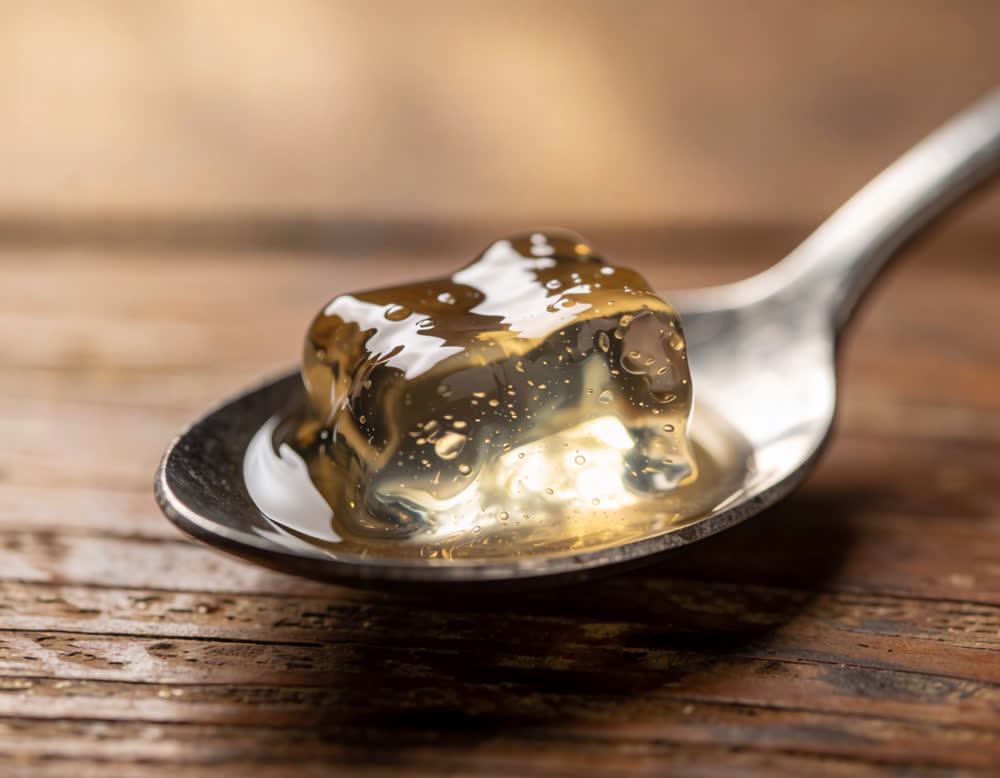
'Joint jello' is a nickname used in online supplement ads for synovial fluid, the slippery, egg-white-like fluid that cushions your joints and contains hyaluronic acid. It is not a medical term. We found no clinical trial showing that eating Jell-O helps joint pain, and a typical gelatin dessert is mostly water and sugar. For stiff knees, the American College of Rheumatology and the American Academy of Orthopaedic Surgeons both strongly recommend exercise, and both recommend weight loss for people who are overweight.
This article is general information, not medical advice. Talk with your doctor before changing your exercise routine or starting any supplement.
If you have watched an online video about stiff knees lately, you may have heard the phrase "joint jello." Here is what it refers to, what happens to it as we age, whether a bowl of Jell-O can help, and what the major arthritis groups say has the best evidence for stiff joints.
What is "joint jello"?
"Joint jello" is not a medical term. It is a nickname used in online ads and sales videos for synovial fluid, the slippery fluid inside many of your joints. When we searched PubMed, the National Library of Medicine's research database, for the exact phrase "joint jello" in study titles and summaries on November 4, 2026, it returned no results.
The nickname is easy to picture, though. Cleveland Clinic describes synovial fluid as "thick and slippery, kind of like egg whites."
What is synovial fluid, and what does hyaluronan do?
According to MedlinePlus, synovial fluid (joint fluid) cushions and protects the ends of bones and reduces friction when you move. Cleveland Clinic adds that your body makes it from the plasma in your blood, and that it helps carry nutrients to cartilage.
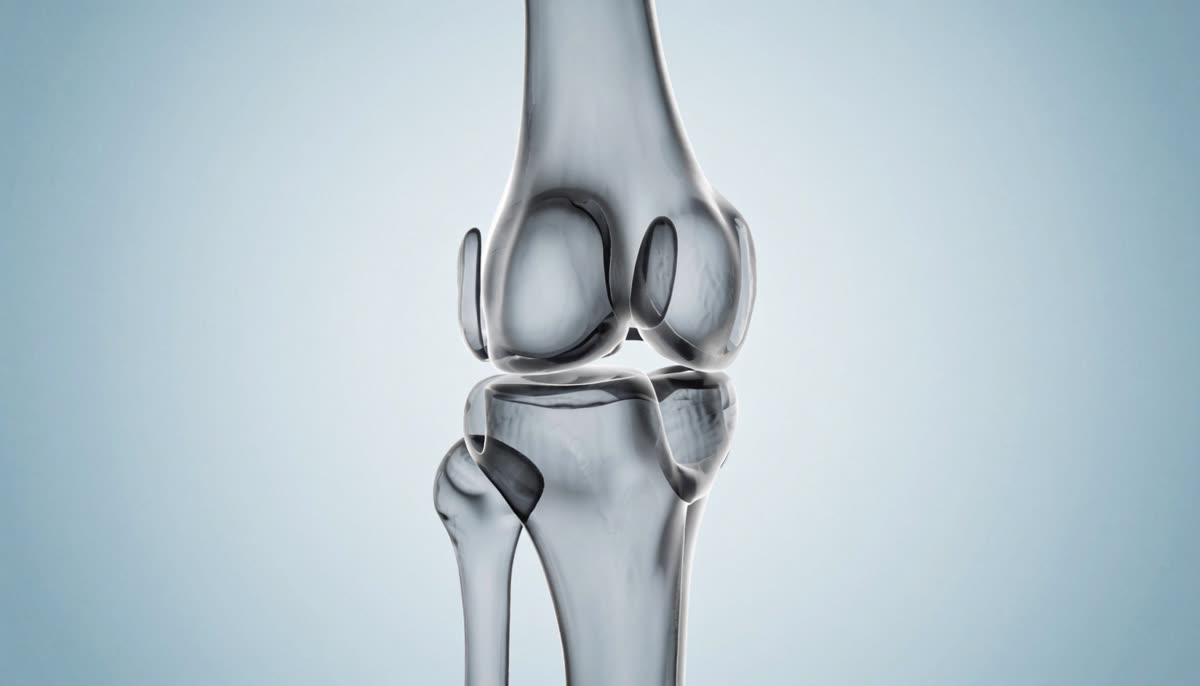
One of its key ingredients is hyaluronan, also called hyaluronic acid. Cleveland Clinic says synovial fluid "has a lot of hyaluronic acid, which helps make it slick." The American Academy of Orthopaedic Surgeons (AAOS) says hyaluronic acid acts as a lubricant and a shock absorber in the joint.
Does it change as we age or with osteoarthritis?
Some changes have been measured. In a 2016 study in Arthritis Research & Therapy, researchers tested knee fluid from 28 deceased donors (48 knees) aged 23 to 91. Hyaluronan fell by about 10.5% per decade of age, and it was more closely tied to age than to how worn the cartilage looked. This was one small study.
AAOS also states that people with osteoarthritis have "a lower-than-normal concentration of hyaluronic acid in their joints." And osteoarthritis is common with age: MedlinePlus says almost everyone has some symptoms of it by age 70.
But a lower level does not prove that adding more from the outside makes knees feel better. That is a separate question.
Does eating Jell-O or gelatin help your joints?
Does jello help joint pain? Start with what is in it. According to USDA FoodData Central, 100 grams (about 3.5 ounces) of gelatin dessert made from a sugar-sweetened mix with water contains 84.4 grams of water, 13.5 grams of sugar and only 1.22 grams of protein. In other words, it is mostly water and sugar.

In our PubMed searches on November 4, 2026, we found no clinical trial that tested Jell-O or gelatin dessert for joint pain. Here is what studies of related products found:
- A gelatin drink: In a 2017 study in the American Journal of Clinical Nutrition, 8 healthy men drank vitamin C-enriched gelatin before 6 minutes of rope skipping. With the largest amount, a blood marker of collagen production doubled. The study did not include people with arthritis or measure joint pain.
- Collagen supplements: A 2019 meta-analysis of placebo-controlled trials found lower total osteoarthritis symptom (WOMAC) and stiffness scores with collagen, plus lower scores on a separate pain rating scale, but no significant difference in the WOMAC pain or function scores. An updated 2024 analysis of 11 trials (870 people with knee osteoarthritis) found better pain and function scores than with a placebo, but results varied widely between trials. These were collagen supplements, not dessert.
- Guidelines: The 2021 AAOS knee osteoarthritis guideline names turmeric, ginger extract, glucosamine, chondroitin and vitamin D as supplements that "may be helpful," while calling the evidence "inconsistent/limited." Collagen and gelatin are not on that list.
So, jello for joint health? We found no good evidence for it. Enjoy it as a dessert if you like it, but don't count on it for your knees.
What about the "joint jello trick" or "7-second" recipes online?
Search for "joint jello" and you will find "tricks," "recipes for knees" and timed rituals; people also search for a "7 second joint jello" trick. These phrases are marketing hooks. We found no published study that tests a "joint jello trick recipe" or a "joint jello recipe for knees."
Many of these hooks lead to long sales videos for supplements. One example is the video for Joint Genesis. It calls synovial fluid "joint jello," says scientists have "dubbed" it that, and talks about a "10-second joint jello trick." About half an hour in, it introduces a capsule you swallow each morning.
Looking for "joint jello reviews"? Keep in mind that "joint jello" is not one product; any seller can use the phrase. Look up the actual product name and ingredients, be cautious with "scientists say" claims that don't name a study, and remember that the FDA "does not have the authority to approve dietary supplements before they are marketed." Show the label to your doctor or pharmacist before you buy.
| What you may hear | What the evidence says | Source |
|---|---|---|
| "Scientists call it joint jello." | The medical term is synovial fluid. PubMed shows no studies using "joint jello" in titles or summaries. | Cleveland Clinic, PubMed |
| "Your joint fluid thins out with age." | One study of 48 knees found hyaluronan fell about 10.5% per decade. It is lower than normal in osteoarthritis. | 2016 study, AAOS |
| "Eating Jell-O feeds your joints." | It is mostly water and sugar. We found no trial testing it for joint pain. | USDA |
| "Gelatin rebuilds your joints." | A study of 8 healthy men measured a blood marker, not joint pain or cartilage. | AJCN, 2017 |
| "Hyaluronic acid shots restore joint fluid." | Not recommended for routine use by AAOS; ACR conditionally recommends against them for the knee. | AAOS 2021, ACR 2019 |
| "A simple 7-second or 10-second trick." | We found no published study of any "joint jello trick" or recipe. | PubMed |
Hyaluronic acid pills vs. injections: what does the evidence say?
Injections. A doctor can inject a hyaluronic acid gel into the knee, called viscosupplementation. The AAOS patient site, OrthoInfo, says the most recent research "has not found viscosupplementation to be effective at significantly reducing pain or improving function," and that it "has never been shown to reverse the arthritic process or re-grow cartilage." Side effects can include pain, warmth and slight swelling after the shot.
- The 2021 AAOS guideline says these injections are not recommended for routine use in knee osteoarthritis.
- The 2019 American College of Rheumatology/Arthritis Foundation guideline conditionally recommends against them for the knee and strongly recommends against them for the hip. When its reviewers counted only trials with a low risk of bias, the benefit over salt-water (saline) shots was close to zero.
Pills. A 2024 systematic review of hyaluronic acid taken by mouth found 11 articles with 597 patients in total, 10 of them on osteoarthritis. Nine reported some improvement, but doses and study lengths varied widely. Neither the AAOS nor the ACR/Arthritis Foundation guideline lists hyaluronic acid pills among its recommended options. The evidence is limited and mixed.
What has the best evidence for stiff knees?
The encouraging part: the best-supported approaches are within reach for most people.

- Exercise. The AAOS guideline strongly recommends supervised, unsupervised or water-based exercise over no exercise for pain and function in knee osteoarthritis. The ACR/Arthritis Foundation guideline strongly recommends exercise and tai chi.
- Weight management. Both guidelines recommend weight loss for people with knee osteoarthritis who are overweight. The CDC says "even a small amount of weight loss can help reduce arthritis-related pain and disability," such as 12 pounds for a 250-pound person.
- Physical therapy. MedlinePlus says it can help improve muscle strength, the motion of stiff joints and balance.
- Self-management programs. Both guidelines strongly recommend them. The CDC points to low-cost workshops and the Walk With Ease program.
The CDC says physical activity "can help people with arthritis reduce joint pain and improve function and mood." It suggests at least 150 minutes a week of moderate activity plus 2 days of muscle strengthening, with balance activities for older adults. Even 5 to 10 minutes at a time counts. Joint-friendly choices include brisk walking, biking, swimming, water exercise, dancing and tai chi. Ask your doctor or a physical therapist for a plan that fits your joints.
When should you see a doctor?
MedlinePlus advises contacting your provider if your joint pain lasts more than several days; if you have severe, unexplained joint pain and swelling; if you have a fever not tied to the flu; or if you have lost 10 pounds or more without trying. Also mention morning stiffness that lasts longer than 30 minutes: MedlinePlus notes it can last that long if there is inflammation in the joint. After a knee injection, if the knee becomes swollen, red, warm and painful, AAOS says to contact your doctor right away.

The bottom line
"Joint jello" is an ad nickname for synovial fluid, the slippery, hyaluronan-rich fluid that cushions your joints. We found no good evidence that Jell-O, a "joint jello trick" or a special recipe changes how your knees feel. Collagen and hyaluronic acid products have limited, mixed evidence. The best-supported non-drug steps are regular joint-friendly exercise (a physical therapist can help you start), weight management and self-management programs. Start there, with your doctor's help.
Frequently Asked Questions
What is joint jello?
'Joint jello' is a nickname used in online ads and sales videos for synovial fluid, the fluid inside many of your joints. Cleveland Clinic describes synovial fluid as thick and slippery, kind of like egg whites, and says it contains a lot of hyaluronic acid, which helps make it slick. It is not a medical term: a PubMed search for the exact phrase 'joint jello' in study titles and summaries found no results on November 4, 2026.
Does jello help joint pain?
We found no clinical trial showing that it does. According to USDA FoodData Central, 100 grams of sugar-sweetened gelatin dessert made with water has 84.4 grams of water, 13.5 grams of sugar and 1.22 grams of protein. The gelatin study often mentioned online used a vitamin C-enriched gelatin drink in 8 healthy men and measured a blood marker of collagen production, not joint pain.
Is there a real joint jello recipe for knees or a 7-second joint jello trick?
We found no published study testing any 'joint jello trick' or 'joint jello recipe for knees.' These phrases are marketing hooks. Many of them lead to long online sales videos that end by offering a dietary supplement. Ask your doctor or pharmacist before trying any supplement, especially if you take other medicines.
Do collagen supplements help stiff joints?
The evidence is mixed. A 2019 meta-analysis of placebo-controlled trials found lower total osteoarthritis symptom scores and stiffness scores with collagen, but no significant difference on the pain and function parts of the same questionnaire; scores on a separate pain rating scale were lower with collagen. An updated analysis of 11 trials with 870 people with knee osteoarthritis found better pain and function scores, but results varied widely between trials. Collagen is not on the 2021 AAOS guideline's supplement list.
Do doctors recommend hyaluronic acid shots for knees?
Not routinely. The 2021 American Academy of Orthopaedic Surgeons guideline says hyaluronic acid injections are not recommended for routine use in knee osteoarthritis. The 2019 American College of Rheumatology/Arthritis Foundation guideline conditionally recommends against them for the knee and strongly recommends against them for the hip. Your doctor may still discuss them with you if other options have not helped.
What helps stiff knees the most?
Both major U.S. guidelines strongly recommend exercise for knee osteoarthritis, and both recommend weight loss for people who are overweight. The CDC suggests adults with arthritis aim for at least 150 minutes a week of moderate activity, such as brisk walking, biking or swimming, plus 2 days of muscle strengthening. Both also strongly recommend self-management programs, and MedlinePlus says physical therapy can help improve strength and the motion of stiff joints. Ask your doctor or a physical therapist for a plan that fits your joints.
When should I see a doctor about joint pain?
MedlinePlus advises contacting your provider if joint pain lasts more than several days, if you have severe, unexplained joint pain and swelling, if you have a fever not tied to the flu, or if you have lost 10 pounds or more without trying. MedlinePlus also notes that morning stiffness can last more than 30 minutes if there is inflammation in the joint, so mention it if yours does.